
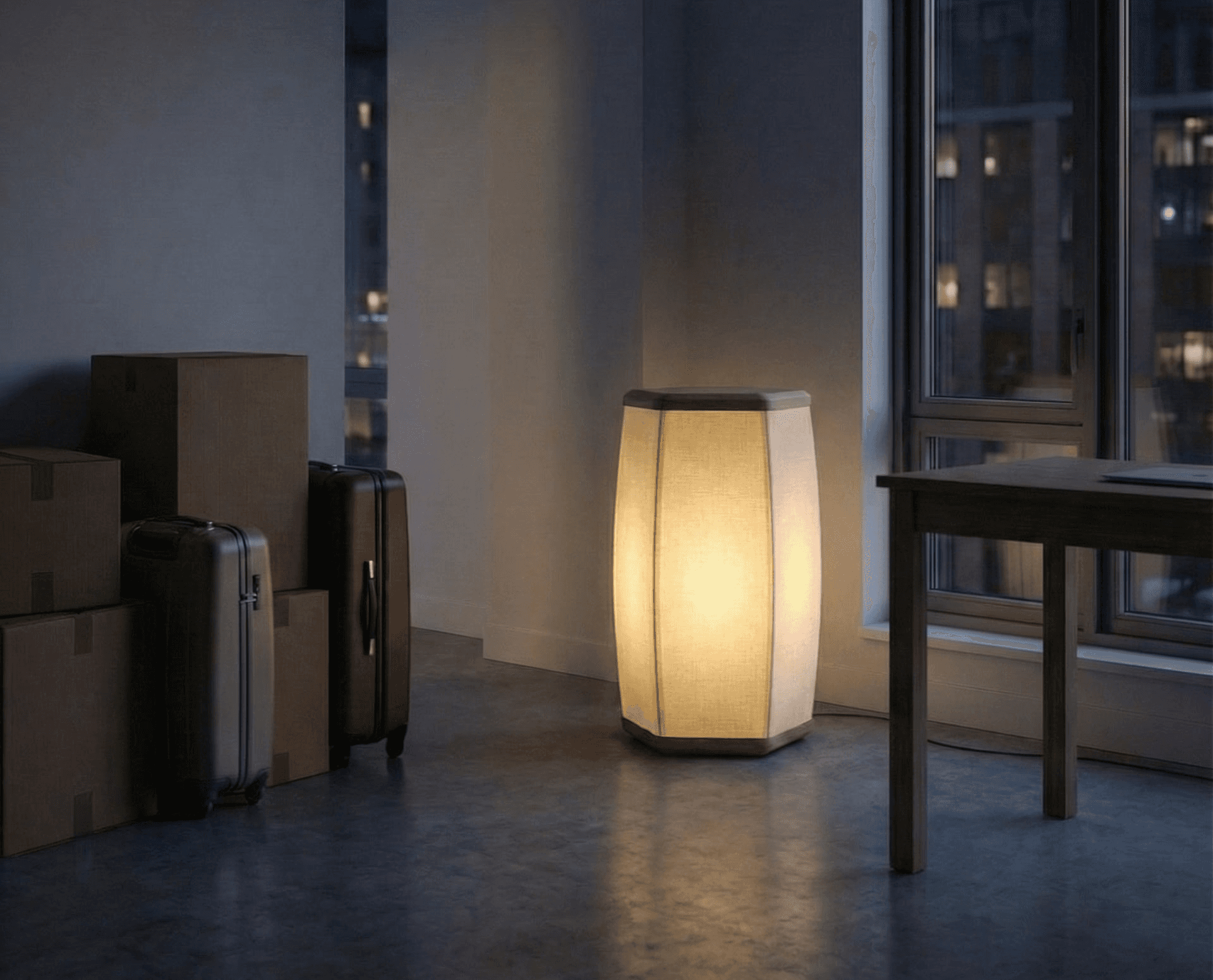
Containers of Belonging
Role
Research
Product design
Concept design
Every year, millions of young adults, especially international students and early-career professionals, relocate again and again.
Home becomes temporary. Objects feel disposable. Moving becomes an emotional reset that never truly settles.
As someone who has moved frequently, I wanted to understand:
How can we help people feel at home again, no matter where they move?
Context
For young adults, especially international students and early-career professionals, relocation is a constant
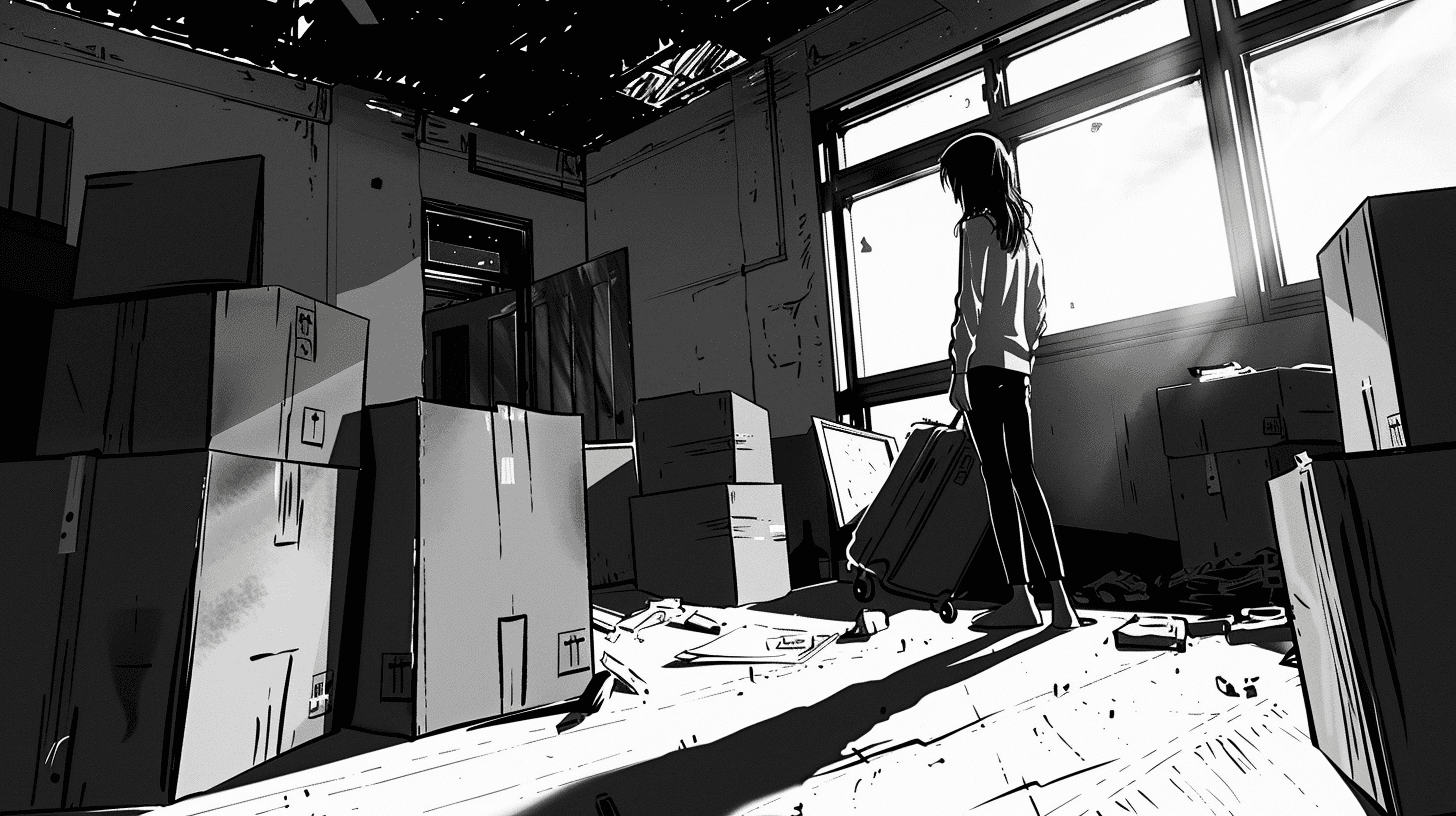
Young adults live in a cycle of relocation, often crossing cities or countries every 6–18 months. For international students, moving isn’t an event. It’s a lifestyle.
Why does this matter
Constant moving creates both clutter and emotional disconnection.
Beyond the piles of packing materials and discarded furniture, frequent relocation leaves young adults feeling uprooted. Never fully settled, and always starting over.
Enormous moving waste
Cardboard boxes, packing materials, broken furniture (environmentally harmful)
Emotional strain
“Home feels temporary, even disposable.”
PHASE 1
The Prep (Discover)
User Interviews
What are the things inside your home that matters to you, and which of them are the hardest to move?
After conducted 5 1:1 interviews with five participants (international students + frequent movers), I gradually saw a pattern emerged.
"
"My shelf, filled with craft materials and creations, isn't just storage. It's a container of my memories."
Insights
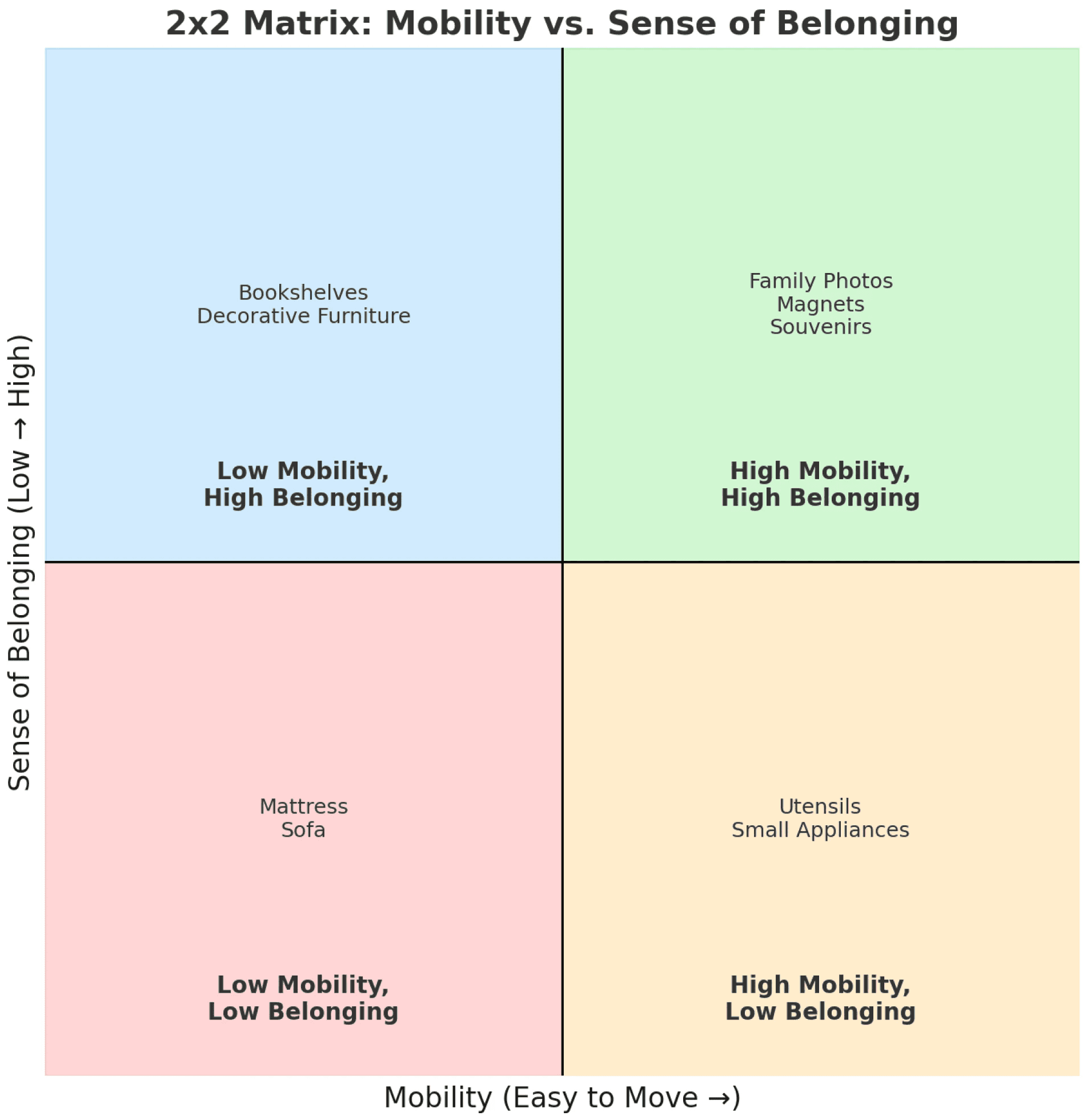
High-belonging items are often low-mobility
Objects that carry emotional value, but are structurally inconvenient.
Converge
I will design containers of belonging, whether as portable physical modules or as a service that supports them, so that young people who move often can reduce waste, carry continuity, and always feel at home wherever they go.
PHASE 2
The Simmer (Ideate)
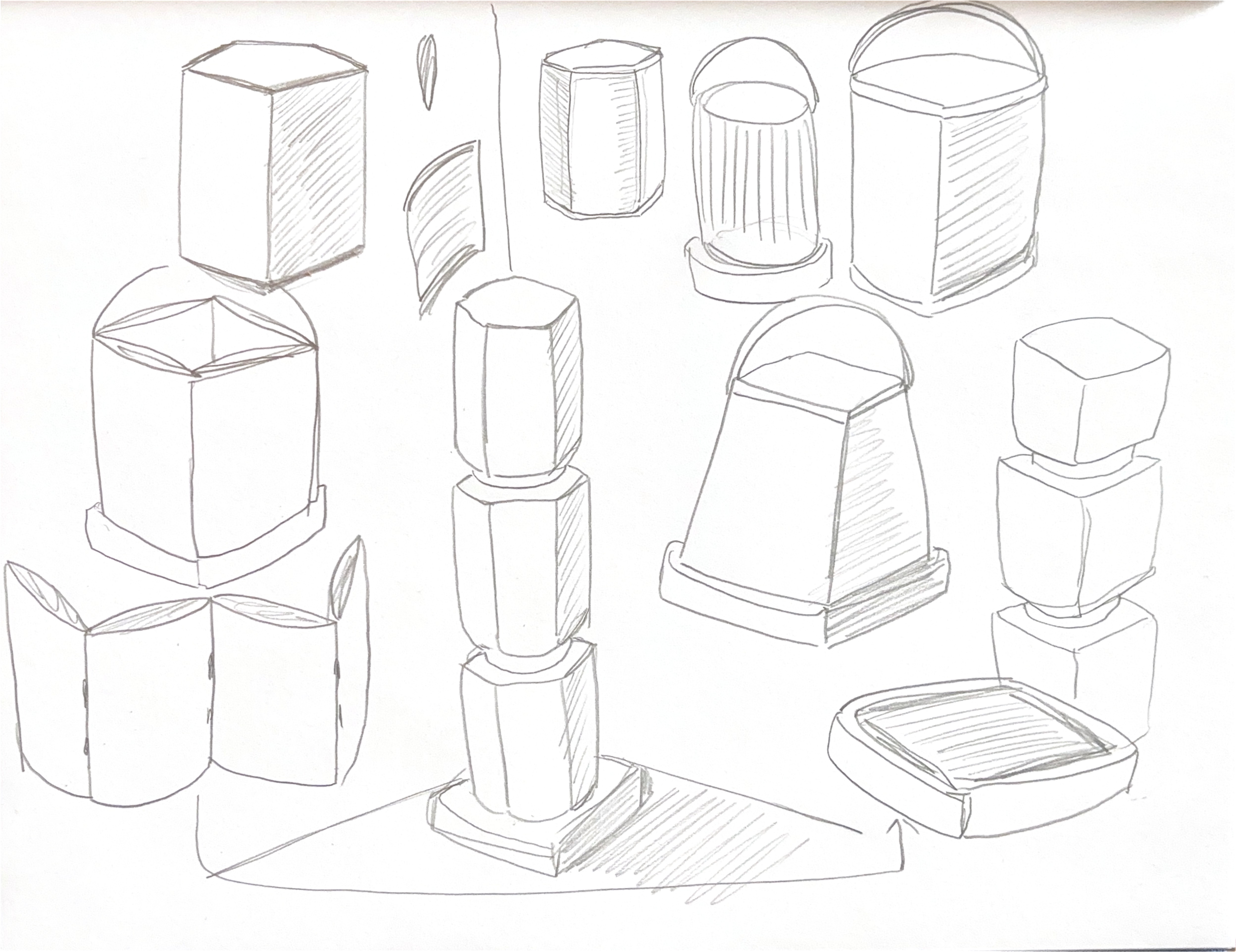
Sketches
What should a container of belonging look and feel like?
I sketched a variety of forms to imagine how this object could live with someone as they move, protect their meaningful items, and ultimately open into something warm and comforting. These early drawings helped shape the emotional identity of the product.
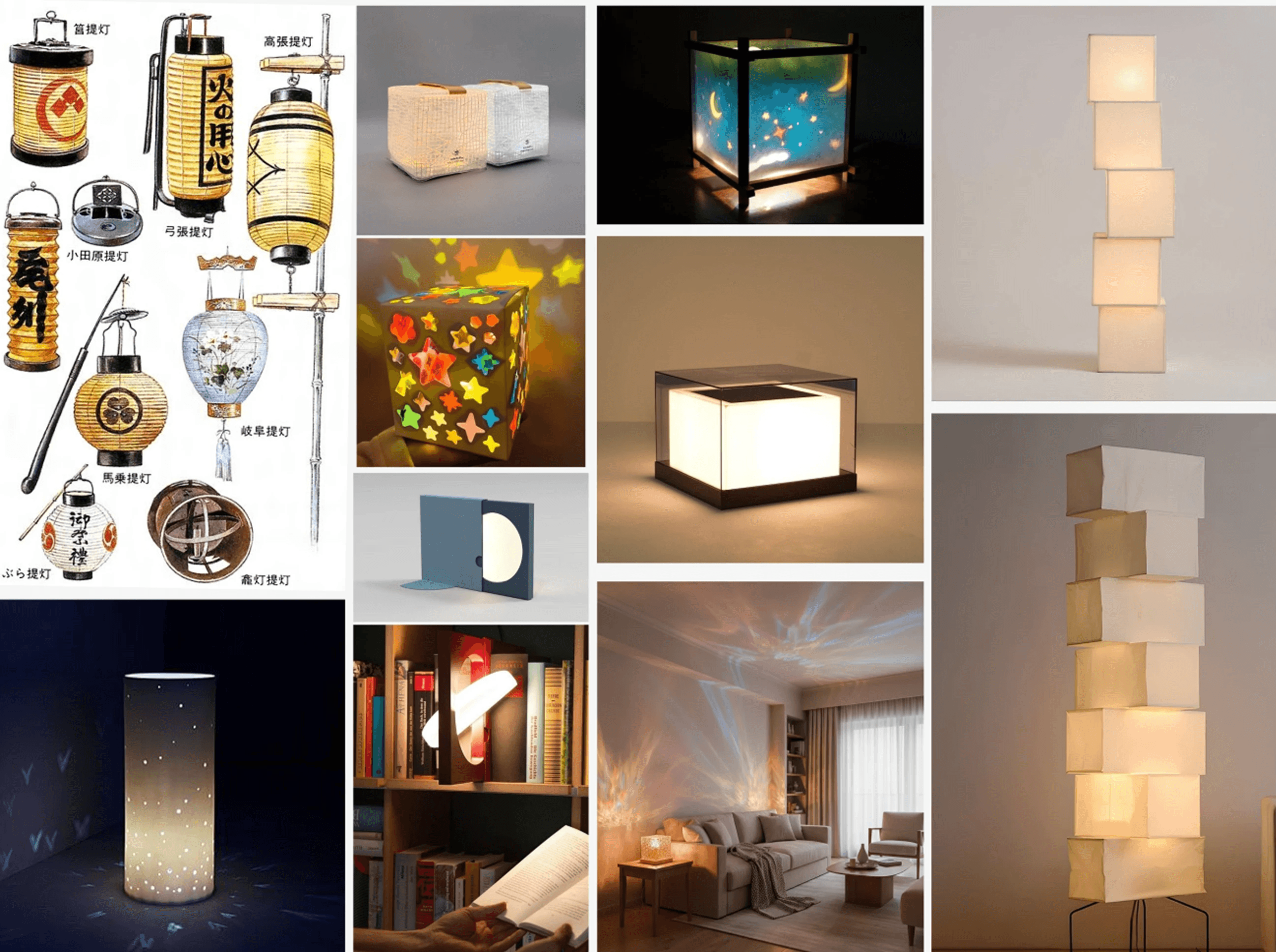
inspirations
Light as vessels of memory, warmth, and cultural meaning
I sketched a variety of forms to imagine how this object could live with someone as they move, protect their meaningful items, and ultimately open into something warm and comforting. These early drawings helped shape the emotional identity of the product.
PHASE 3
The Seasoning (Design)
Design idea #1
Memories that stay close
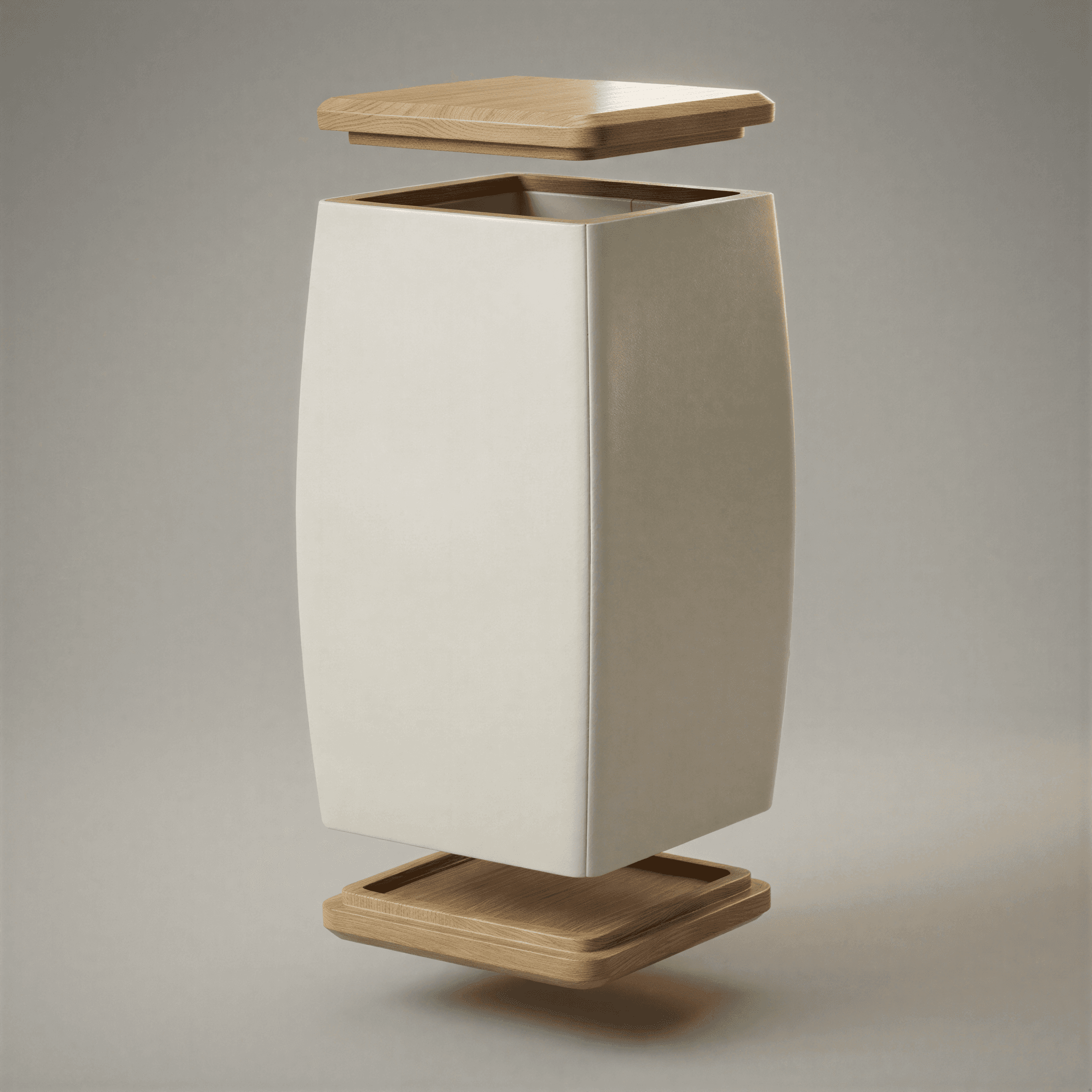
In its closed form, this object works as a sturdy memory container designed for people who move often. The walls interlock into a stable, lightweight structure that keeps sentimental items safe through travel and frequent relocation. Its simple geometry makes it easy to carry, store, and integrate into any living space, offering a familiar touchpoint during times of transition.
Design idea #2
Light that travels with you
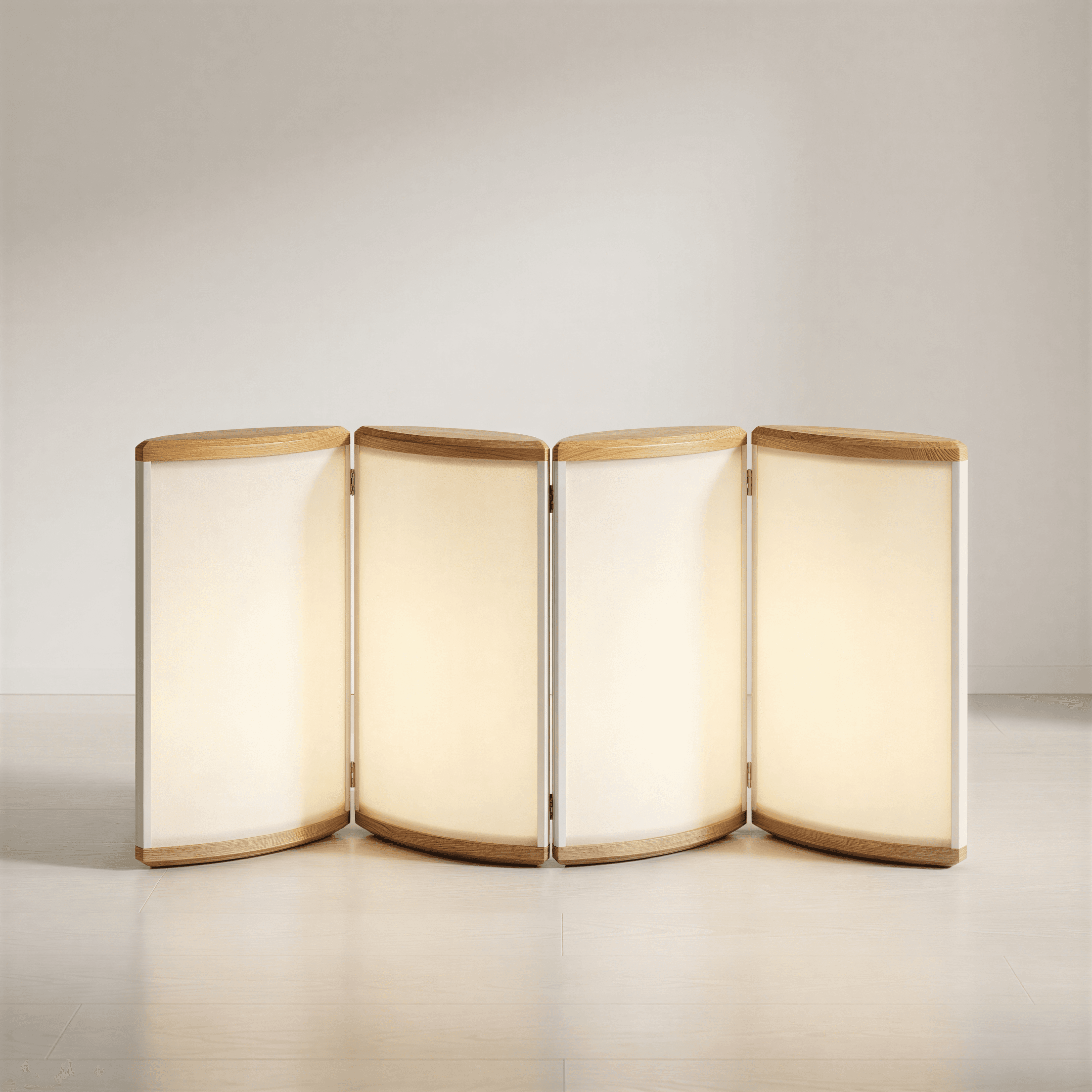
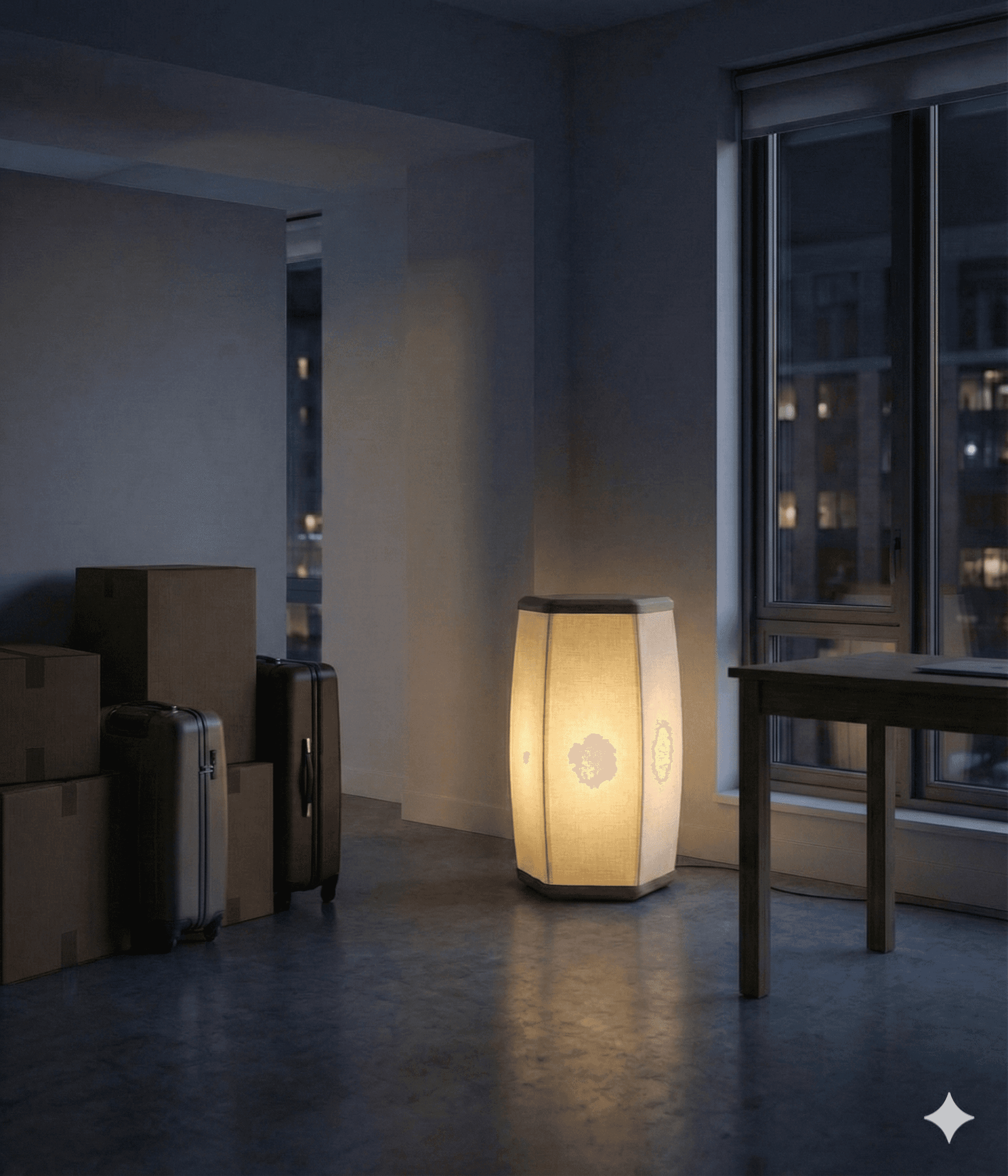
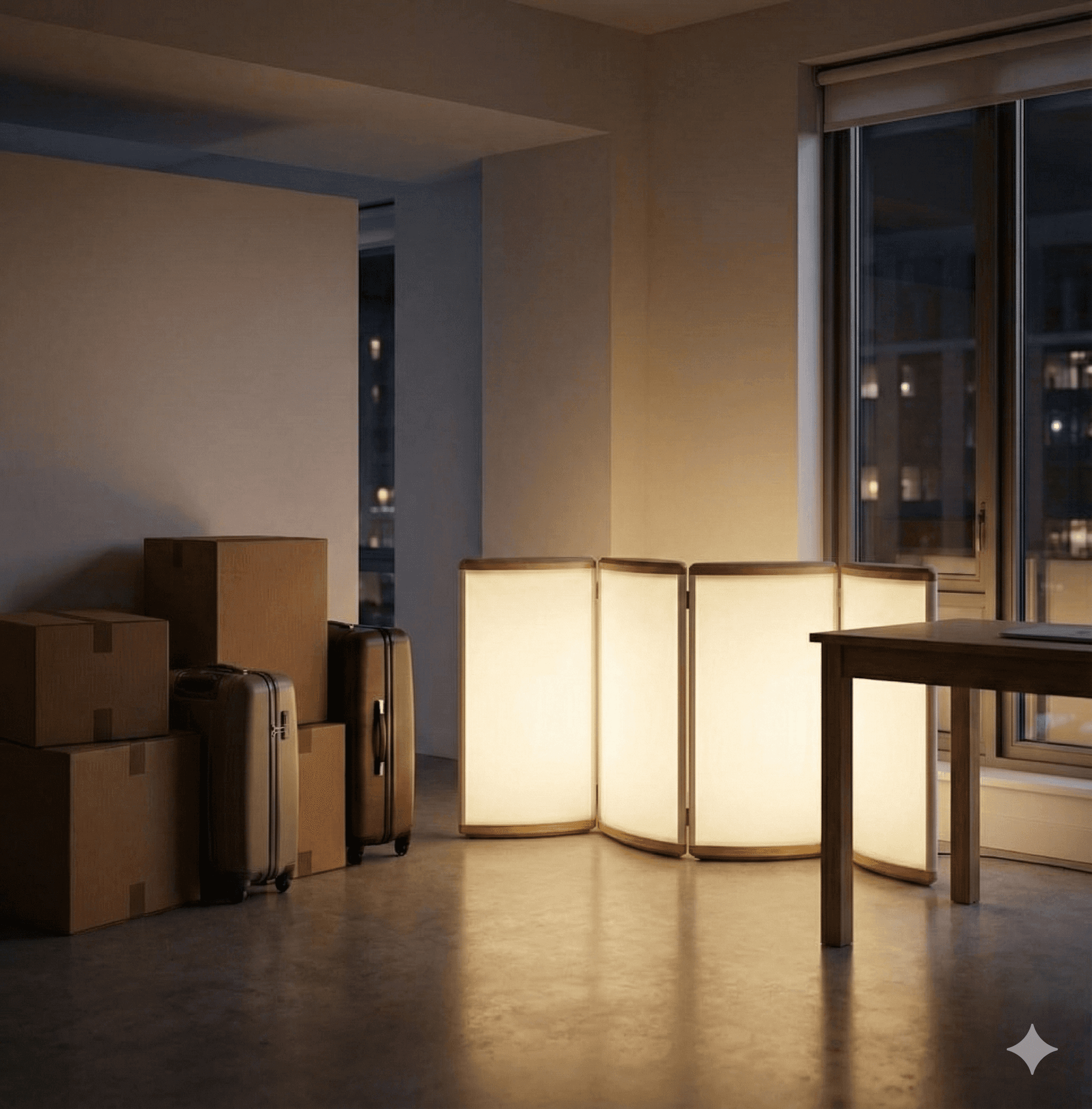
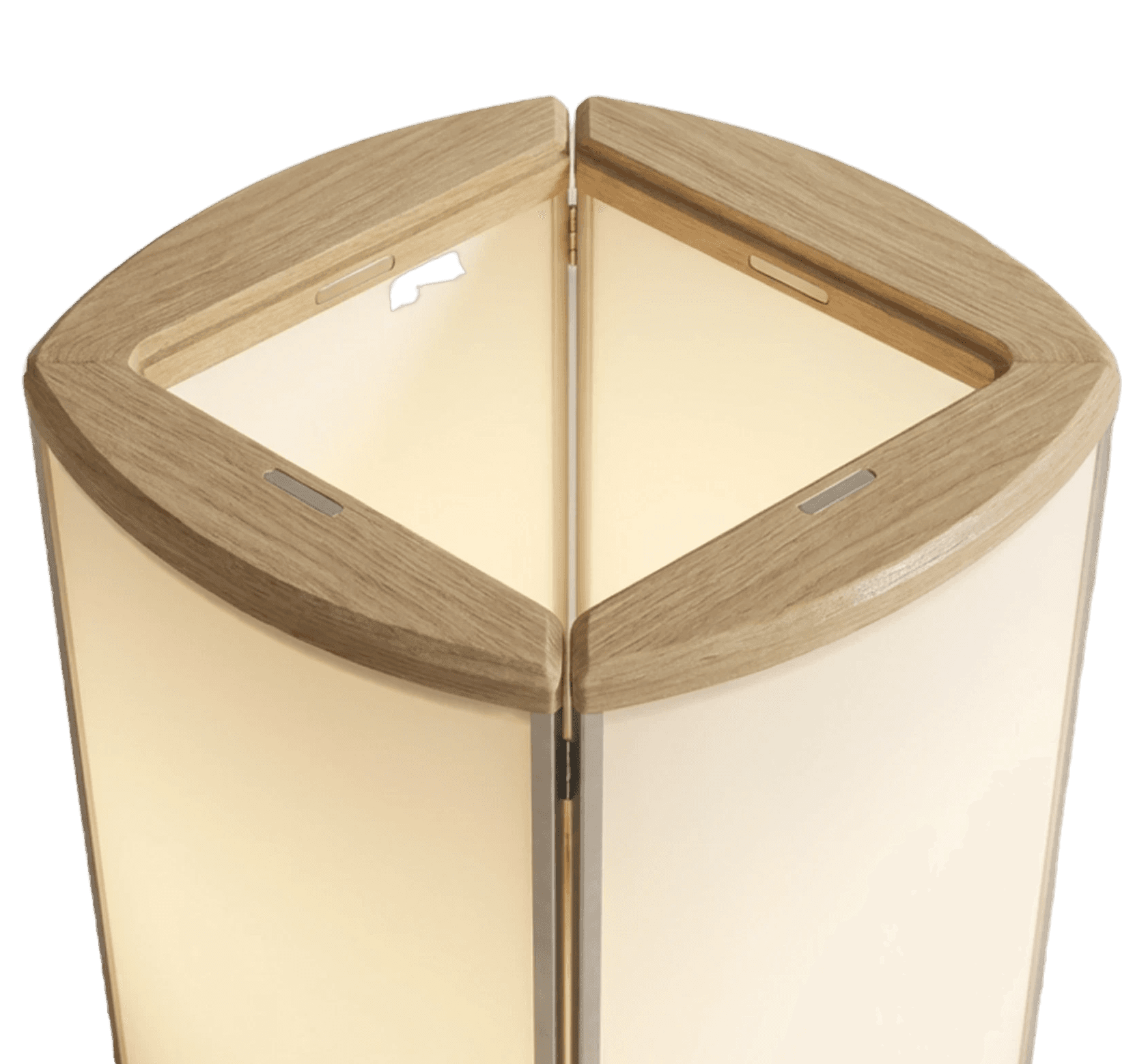
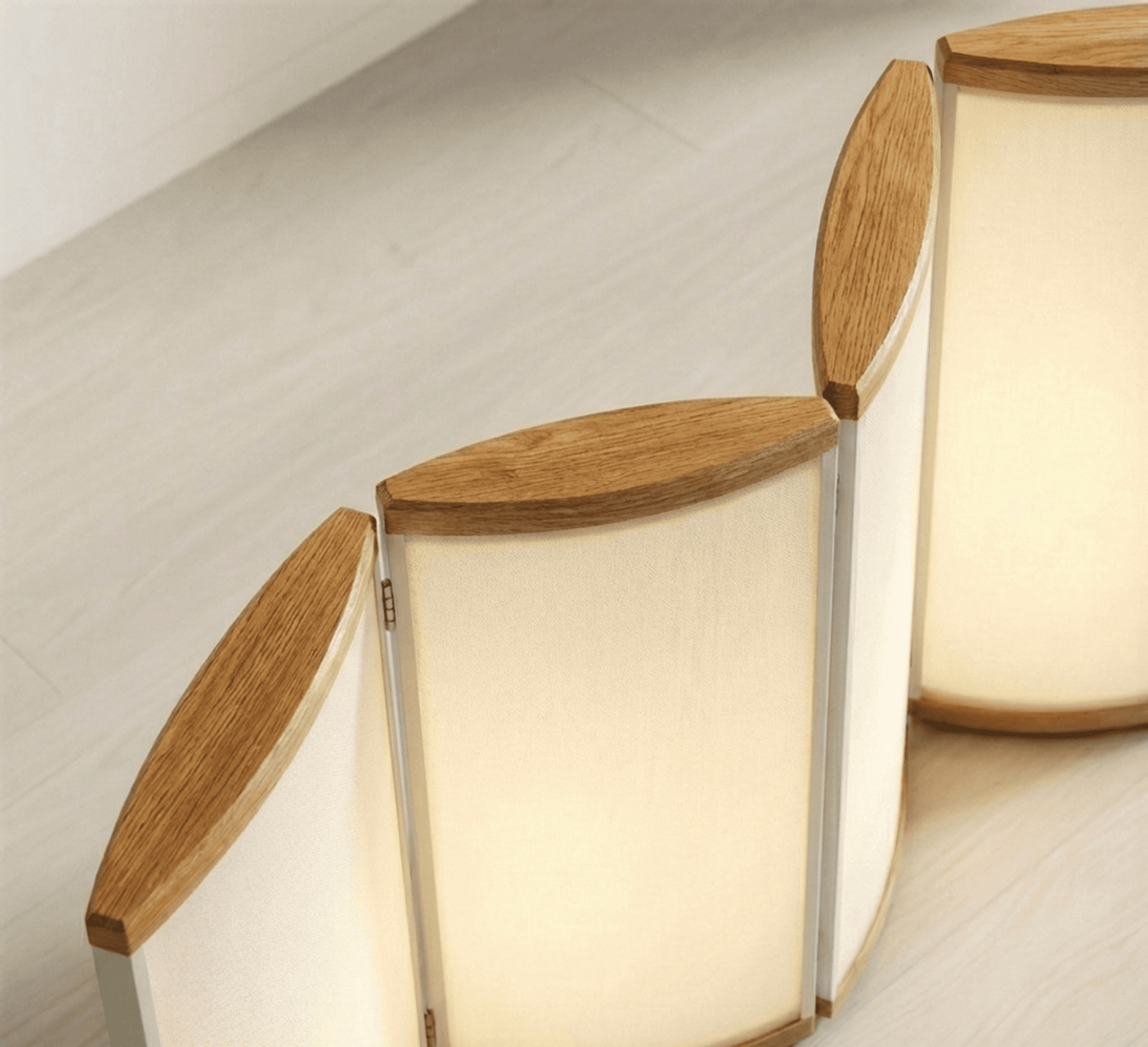
When opened and reversed, the container transforms into a soft, glowing lantern. The hinged panels expand outward to reveal a light-diffusing inner layer, filling even an empty room with warmth and a sense of belonging. This dual function allows one object to both store your memories and illuminate your new space, turning the act of settling in into a comforting ritual.
Key Feature
Unfolding memories into light
The container opens gently, each panel hinging outward to reveal the glowing inner layer. What begins as a compact vessel for treasured items expands into a lantern that fills the room with warmth.
Key takeaways
Design with empathy
Working on this project reminded me how meaningful physical objects can be, especially for people who move often. It pushed me to think beyond aesthetics and deeply consider emotional needs, cultural symbolism, and the role of light in creating belonging. I also learned how exciting it is to bring physical components into my design process, thinking about structure, durability, and how different mechanisms could support the experience.

Next Steps
What I’ll explore next
My next steps will focus on material exploration and structural refinement: How can this lantern stay stable, sustainable, and easy to assemble, while still preserving the emotional intention behind it?
I’m excited to continue prototyping and testing to see how this concept can become a real object that supports people through transitions.